Batch traceability
From raw material to finished product.
- Detailed record of every batch used
- Forward and backward traceability
- Fast answers during audits
- Immediate identification of affected products
- Complete history of transformations


If you produce food or beverages, every batch has to be able to tell its story: which raw material it came from, which process it went through and where it ended up. KeyEmpaque records it on its own, while you work.
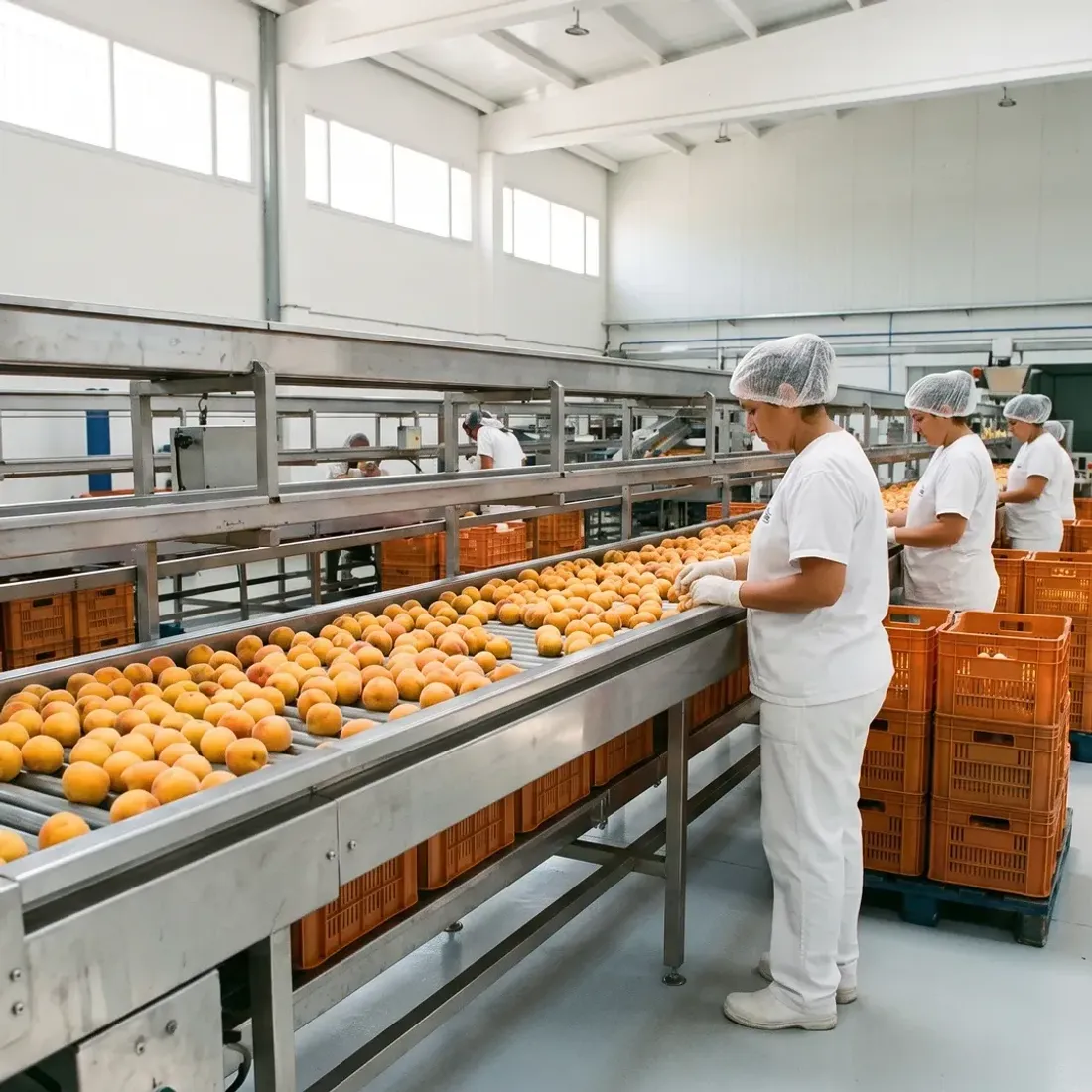
Used by Frutas Sánchez and Damica, two fruit packing plants in Mendoza.


Every module follows the batch: from the raw material coming in to the product going out, with its cost and its quality control.
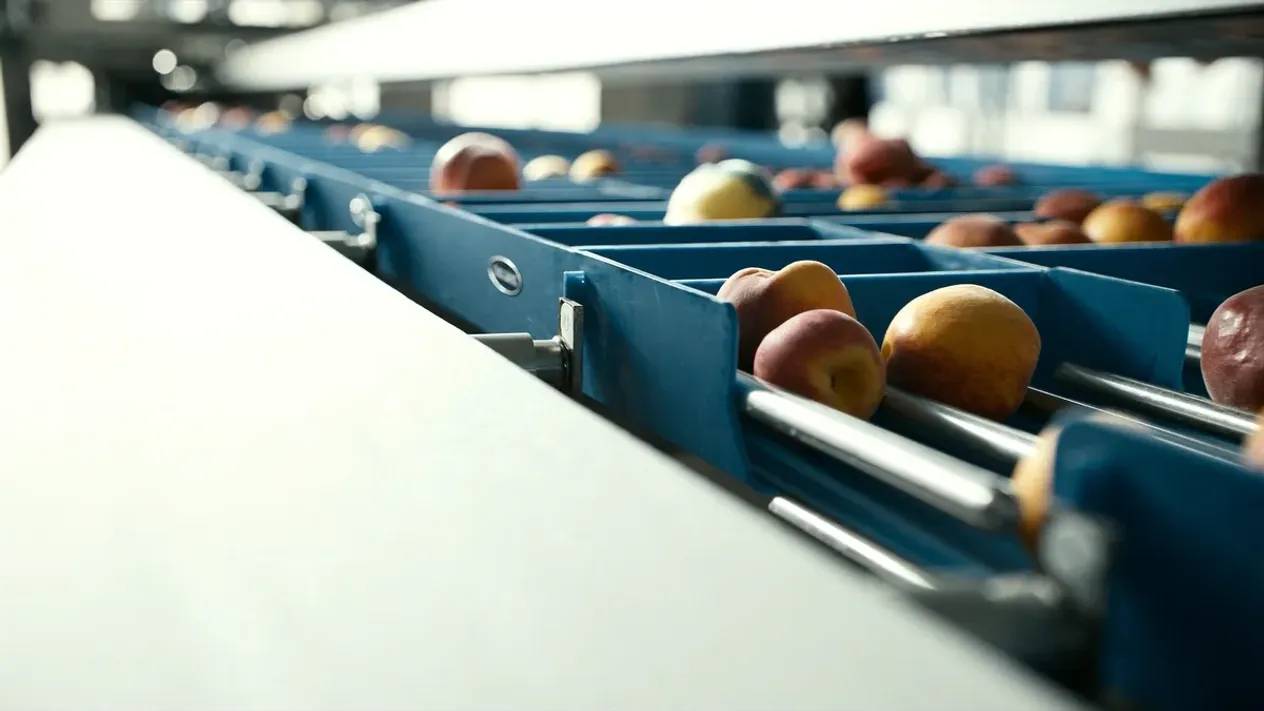
From raw material to finished product.
Formulas, recipes and steps, documented automatically.
What each batch really cost you.
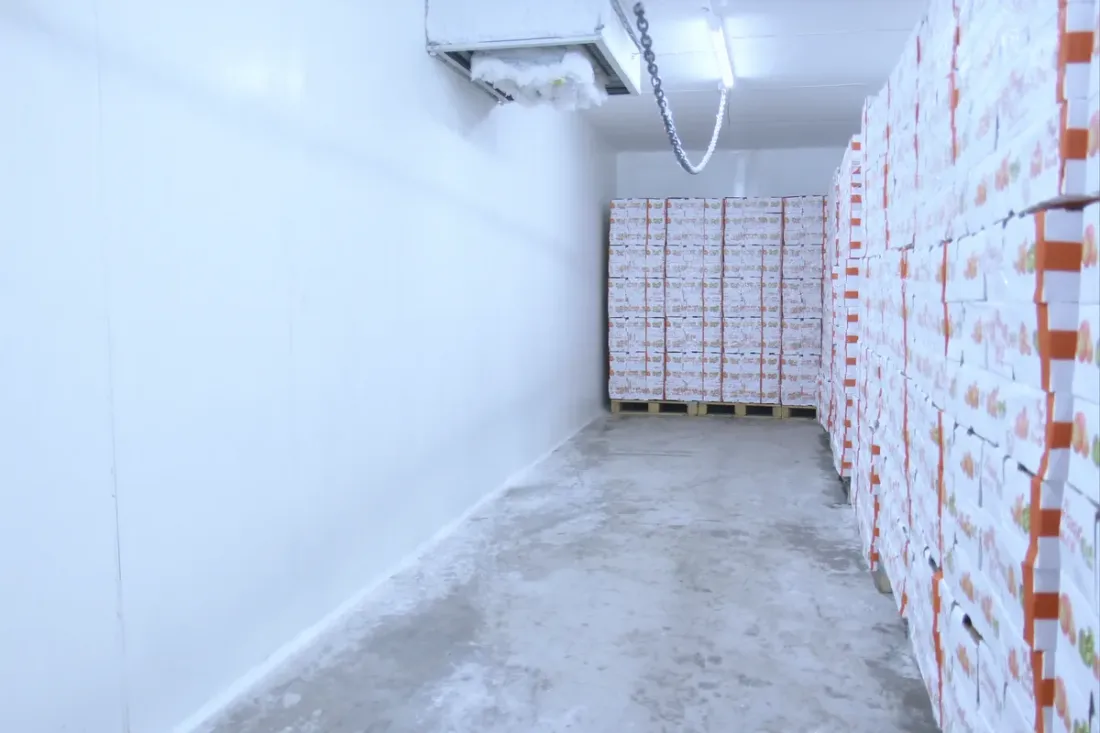
Expiration dates and FIFO rotation without spreadsheets.
The documentation they ask for, ready before they ask.
Your production numbers, at hand.
It’s not a generic stock module with another name: it handles batches, formulas, expiration dates and Argentine food regulations.
From a raw-material batch you can reach every product that came out of it, and from a product on the shelf trace back to its origin.
Raw materials, labor and overhead: you know what each batch cost you to produce, not a month-end average.
Process and traceability documentation is generated while you work. When the audit arrives, it’s already there.
What moves the price of KeyEmpaque: how many workstations use it and how much has to be adapted to your process. The license is paid once; the support and updates plan is separate and optional. You leave the first meeting with a final number.
Ask for your quoteIt automatically records every batch you use in each packing run, building full traceability from raw material to finished product. When an audit arrives, the answer is already in the system.
It’s built for the Argentine food code (CAA), HACCP and other quality standards. It generates the documentation that SENASA and other agencies ask for.
It automatically calculates each batch’s cost: raw materials, labor and overhead. You know what each batch really cost and decide prices and margins with that.
Yes. It manages production and expiration dates per product, calculates shelf life, warns you when something is about to expire and helps you with FIFO rotation.
Between 3 and 4 weeks, in three stages: we survey your production at the plant (1 week), load your formulas and processes and configure the system (1 to 2 weeks), and train your team and test together (1 week). It can vary with the complexity of your processes.
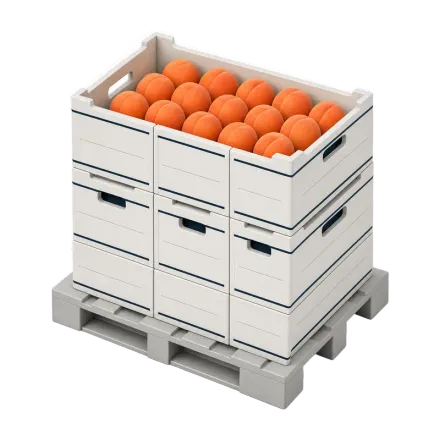
Tell us what you produce and we’ll show you how your batch traceability would look in the system. No commitment.
KeySistemas · San Martín, Mendoza · since 1995